The Four Seasons of Pasture Management
Spring is when the growing season begins. As temperatures warm, cool-season grasses quickly come out of dormancy and begin producing new growth. This is a good time for landowners to walk their pastures and evaluate how they fared through the winter. Bare soil, erosion, invasive species, or damaged fences are much easier to address early in the season.
Spring is also an excellent time to collect soil samples. Healthy soil provides the foundation for increased plant growth, and a soil test can identify what nutrients are needed. While it may be tempting to turn livestock out as soon as the grass begins to green up, waiting until plants have reached an appropriate height helps protect their root systems and encourages stronger growth throughout the rest of the year.
As summer arrives, pasture management shifts from encouraging growth to protecting it. Hot temperatures 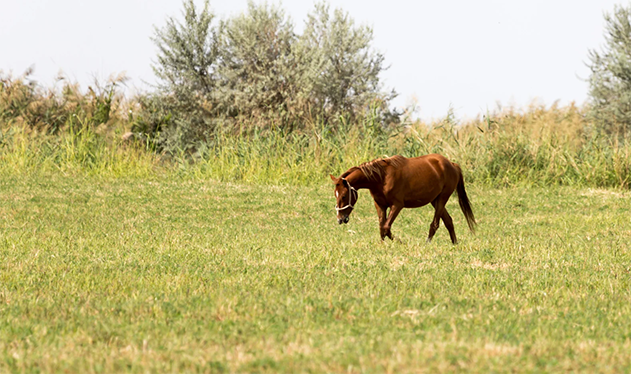 and dry conditions can place significant stress on grasses, especially if they are grazed too heavily. Rotational grazing gives plants time to recover between grazing periods, allowing them to develop deeper roots that are better able to withstand drought.
Summer is also a good time to keep an eye out for invasive species. Species such as sericea lespedeza and musk thistle compete with desirable forage and can spread quickly if left untreated. Regular scouting throughout the growing season makes these plants much easier to manage before they become established.
When cooler temperatures return in the fall, pastures have an opportunity to recover from the stresses of summer. Many grasses experience another period of active growth, making this an important time to avoid overgrazing. Leaving enough grass behind allows plants to store energy in their roots for the coming winter, which leads to healthier growth the following spring. Fall is a great time to re-seed pastures dominated by cool-season grass species. Drilling the seed into the soil has been shown to yield better results than broadcasting seed into vegetation.
Fall is also a great season to evaluate how the pasture performed during the year. Were certain areas overgrazed? Did some sections produce more forage than others? These observations can help guide management decisions for next season. Repairs to fences and watering systems are also easier to complete before winter weather arrives.
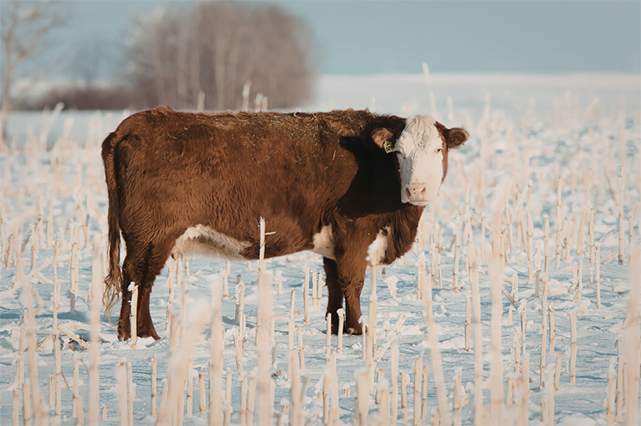
During the winter, dormant grasses are resting, but good management needs to continue. When you turn to hay for your livestock, try to feed in different locations throughout the pasture. This helps distribute nutrients across the pasture and avoids excessive traffic on certain areas.
Winter is also an ideal time for planning. Reviewing grazing records, rainfall, and pasture conditions can help landowners make informed decisions for the upcoming year. It is also a great opportunity to attend local workshops or visit with conservation professionals about practices that can improve pasture health.
Healthy pastures do much more than feed livestock. They reduce soil erosion, improve water quality, provide habitat for wildlife, and help keep the land productive. By adapting management practices throughout the year, landowners can build resilient pastures that benefit both agriculture and our natural resources, especially here in northeast Kansas.
So, the next time you pass a pasture, remember that every season brings something different for pasture management. With a solid plan and active management throughout the year, there’s nothing stopping you from having the best pasture in the county.
By Amy Keigher, Natural Resources Agent, 2026