Why Do We Eat Turkey on Thanksgiving?
No matter what you’re celebrating, you’re likely sharing a large meal with friends and loved ones. That’s certainly the case for Thanksgiving, where most gather around the dinner table and feast on turkey and mashed potatoes. But, why turkey?
Historically, turkey was abundant throughout New England and therefore a cheap option that would feed 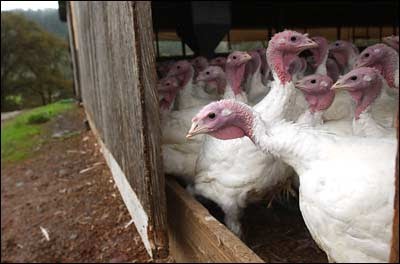 lots of people. A wild turkey’s average weight of 9lbs for females to 17lbs for males could feed up to 12 people, whereas a duck might only feed two to three. They were easy to catch as well, with an estimated population of 10 million turkeys on the east coast before European colonization. That number soon shrunk due to habitat loss and over hunting, so that by 1850, New England essentially had no wild turkeys. While wild turkey populations have since recovered due to increased hunting regulations and conservation efforts, there was a time there where people had thought they’d eaten their last turkey leg.
For the most part, the vast majority of turkeys eaten on Thanksgiving aren’t “Wild” but rather are domesticated and raised on farms. It’s believed that Native Americans domesticated turkeys as early as 25 A.D. Today’s domestic turkeys can weigh up to 30lbs (poor things!) and are bred for rapid growth. These turkeys are fed feed mixes that consist of grains such as corn, wheat, or barley, while their wild counterparts eat an omnivorous diet of nuts, berries, insects, and even salamanders. This gives the taste of wild turkey meat a distinct “gamey” flavor that some people crave. Domestic turkey meat has a blander taste that sometimes requires the injection of water, salt, and other flavoring ingredients to spice up the taste.
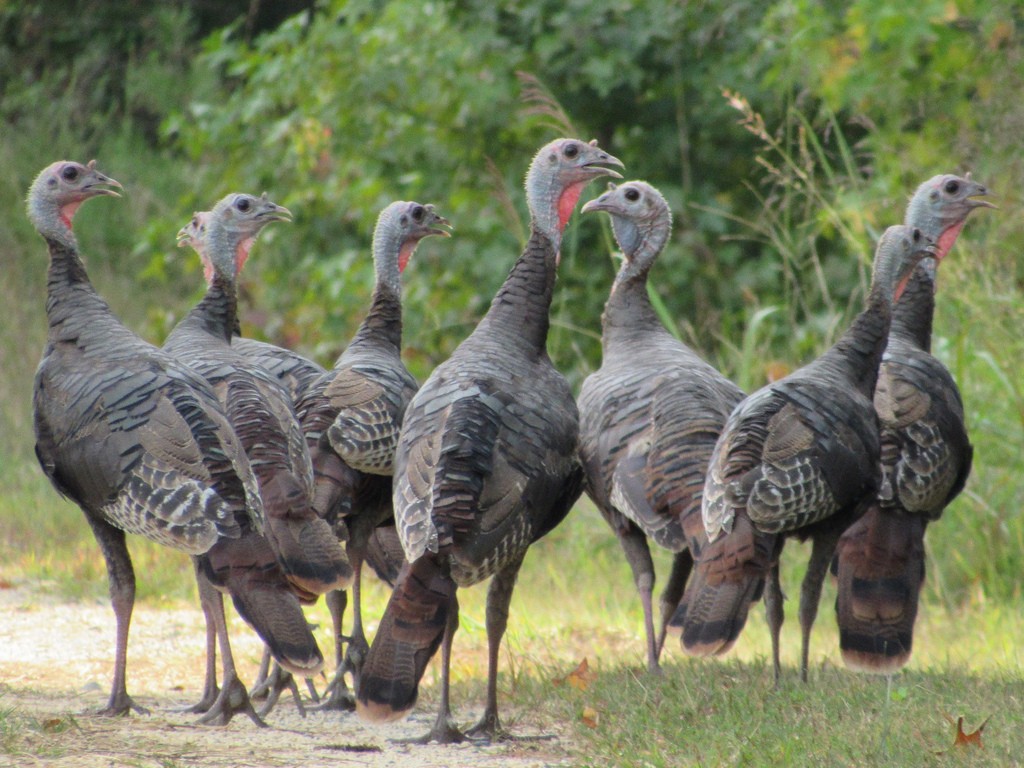 Wild turkeys aren’t just found in New England. Originally reintroduced in the 1960s, Kansas now has a healthy population of turkeys and a turkey hunting season. If you’re now wondering what “gamey” tastes like, you should try your hand at hunting for turkey. But, as always, follow all regulations and safety measures while doing so! Gobble Gobble!
by Amy Keigher, Natural Resources Agent, 2025