Pollinator Spotlight: Ants
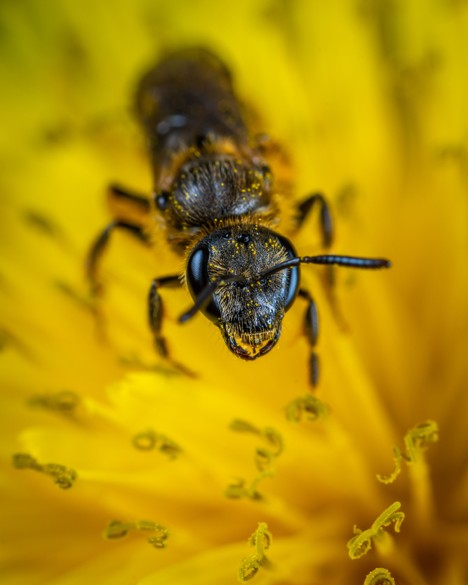
Ants visit flowers for many of the same reasons that other pollinators do. They are looking for food, including nectar and other sugary substances produced by plants. As they move from flower to flower, pollen can stick to their bodies and be transferred to another flower. This allows plants to reproduce and produce seeds. Let's take a closer look at how these tiny insects help plants.
First, ants visit lots of flowers. Ants are attracted to flowers because they provide food. Some plants produce nectar close to the ground, making them particularly easy for ants to reach. As ants crawl around the flower searching for a meal, they can come into contact with pollen. When they visit another flower, some of that pollen may be transferred. Ants are especially helpful to plants that grow close to the ground because they spend much of their time walking across vegetation and soil. While they may not travel as far as bees or butterflies, their frequent visits can still contribute to pollination.
Second, ants are small. Pollination isn't always about how far an animal travels. Sometimes, frequent visits to nearby flowers are just as important. Ants can pick up pollen on their bodies as they move around flowers. Their small size allows them to crawl into places that larger pollinators may not reach. Ants also interact with plants in other ways. Some species protect plants from herbivores in exchange for food or shelter. This relationship can benefit the plant by reducing damage to its leaves and flowers. Pretty impressive for such a small insect!
So, how do ants stack up against bees and butterflies as far as pollinator quality goes? Well, let’s say ants aren’t the best pollinators, and there’s a few reasons for this. Ants generally don't travel as far between flowers, and their bodies aren't covered in the same types of hairs that make bees such effective pollen carriers. Ants also produce substances that can interfere with pollen grains.
Because of these characteristics, ants aren't the primary pollinators for most flowering plants. However, some plants have developed relationships with ants that make them useful pollinators. In certain environments, especially where other pollinators are less common, ants can make an important contribution.
But why does any of this matter? Pollination is essential for the reproduction of many flowering plants. The more we understand about the different animals involved in this process, the better we can appreciate how interconnected our ecosystems really are. Bees and butterflies may get most of the attention, but pollination is a team effort involving many different animals.
The next time you notice ants wandering through your yard or garden, pause for a moment and consider what they might be doing. They could be searching for food, protecting a plant, or even carrying pollen from one flower to another. Nature has a way of making even the smallest creatures part of something much bigger.
by Amy Keigher, Natural Resources Agent, 2026