The True Cost of Convenience, Why Local Food Matters
Buying and growing your food locally has many environmental benefits from the reduction of fossil fuel use in transportation of the goods to the reduction of chemicals needed to keep food edible after their long journeys from the field to the table. It seems like a no brainer that we should be sticking to farmers markets and our own backyards for our produce. But is it that simple? Let’s explore the dynamics of local food systems and why even with all the evidence telling us buying local is better for the environment, we still purchase food that’s produced many states away. 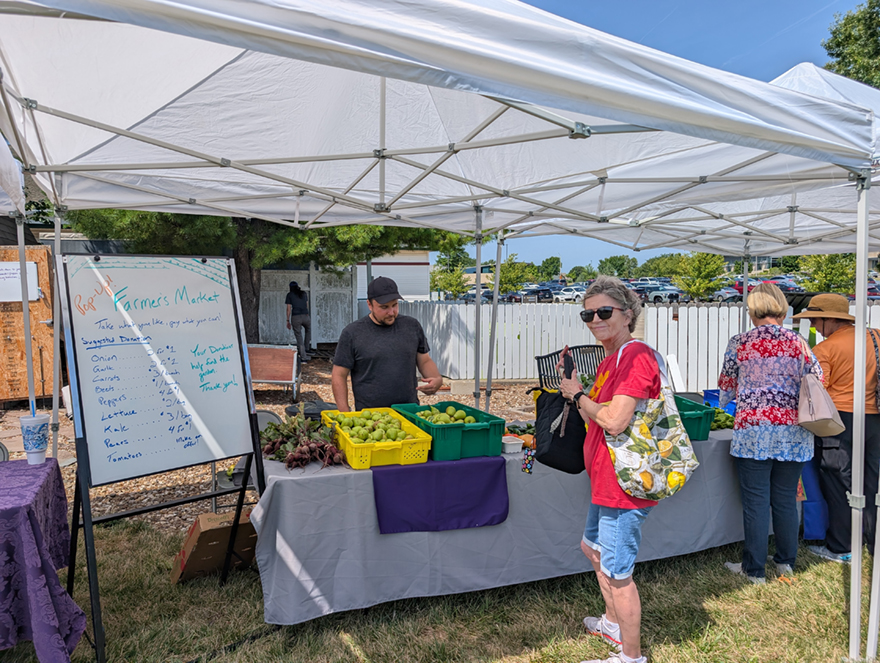
Let’s first focus on growing our own food. Why don’t we all just grow our own food and skip the grocery store. Well, the answer should be obvious. Most of us do not have the resources, space, equipment, time, or knowledge to be able to grow and make everything we need. There was a time in the US’s history where everyone had a backyard garden and growing food and filling pantries was necessary for survival. That has changed, beginning in the 20th century when communities became much more connected by faster transportation options, and our technology for increasing shelf lives expanded greatly. The idea of a grocery store that had the necessities including fresh produce became a reality, and thus the need to grow an extensive garden of fruits and vegetables lessened. The 20th century also brought about a change in the pace of life. In the hustle and bustle of a person’s day, there wasn’t much time available to tend to the garden and prepare meals. The convenience of buying what you needed for dinner was just too tempting. The shift from growing food to buying food gradually led to larger farms that provided food to many communities. The environmental impacts of this shift were subtle at first but have become more extreme in the past half century, where food is shipped worldwide and high demand leads most farms to choose whichever methods produce the most product no matter the impacts.
This leads directly into the issue of buying locally grown food. By buying local, you not only support your local economy, but also support sustainable practices. High amounts of fossil fuels are used each year to transport food from the producer to the consumer. Just think about the variety of produce available at your nearest grocery store and which of it likely came from another state, possibly even another country. While buying locally grown food has its benefits, its main drawback is convenience in variety. As a society, we have been spoiled by being able to get what we want, whenever we want it, and wherever in the world it’s made. If we want apples in February, we can get apples in February, even if there isn’t a single apple tree producing anywhere near us. Would society be willing to give up this convenience for the sake of the environment and local economy? It’s hard to say. Maybe it’s not a matter of getting people to completely stop buying non-locally grown food, but a matter of getting them to buy a portion of their food from local growers or grow it themselves. Maybe this is one of those changes that will have to be gradual. Even a gradual shift to buying and growing local has its benefits to the environment.
by Amy Keigher, Natural Resources Agent, 2025