Nature's "Spring Cleaners"
Nature’s spring cleaners are a diverse group, ranging from microscopic bacteria to insects and large fungal networks. Each plays a crucial role in turning dead matter into usable resources for the next generation of life. Let’s examine three groups that help keep our forests clean.
Fungi
Fungi are among the most powerful decomposers on Earth. Their mycelium, or thread-like networks,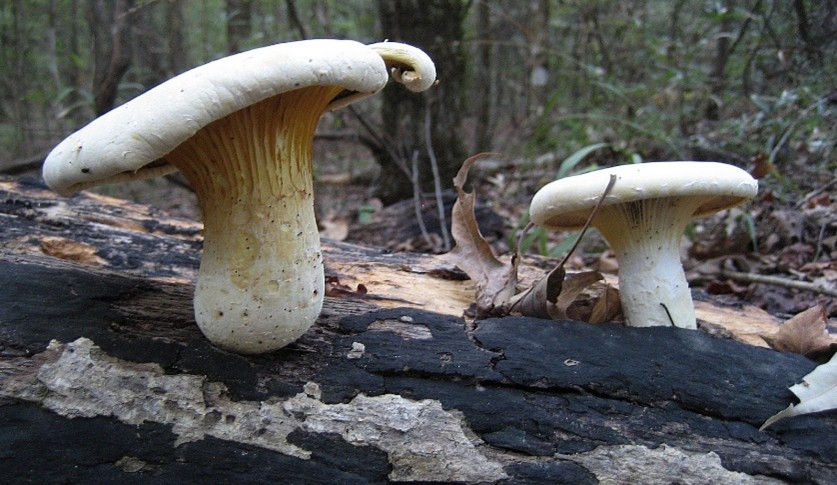 are powerful enough to weave through soil, leaf litter, and logs, breaking down the tough materials until they are incorporated back into the soil. It’s estimated that fungi break down approximately 56% of all leaf litter that collects each fall. Mushrooms often create extensive mycelial networks underground that can cover large areas giving them access to resources that would otherwise be unusable. Way to go fungi!
Bacteria
Bacteria are essential to decomposition at the microscopic level. Their ability to break complex organic molecules into simpler ones allows other organisms to reuse nutrients. Through changing the chemical environment and softening tissue, their activity also enables other decomposers to join in on the fun. Bacteria are also often the first to begin the decomposition process because of their ability to reproduce quickly and stay active through a wide range of environmental conditions.
Detritivores
While fungi and bacteria handle chemical breakdown, detritivores take on the physical labor. There are so many detritivores we could talk about, but here are the most common.
- Earthworms churn soil and consume decaying organic matter, turning it into castings (worm
 poo).
poo). - Millipedes feed on decomposing leaves, shredding them into smaller pieces that microbes can break down more easily.
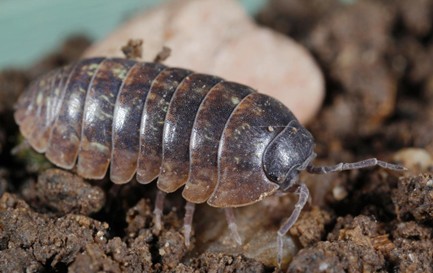
- Pill bugs (roly-polies) enjoy eating rotting wood and leaf litter. Yum!
- Springtails, tiny insect-like creatures, eat fungi and contribute to soil structure.
- Beetles and their larvae, especially rove beetles and carrion beetles, dismantle everything from dead wood to animal remains.
But, why does any of this matter? Decomposers and detritivores keep ecosystems functioning smoothly. Because of them, locked up nutrients are made available in the soil, allowing other organisms to thrive. Their work also improves the soil of the forest, which benefits everything that lives there. Lastly, decomposers and detritivores reduce the amount of debris found on the forest floor, which allows new growth to occur. Overall, the forest ecosystem depends on these groups for stability and strength.
The next time you walk through a forest, pause for a moment and consider all the activity occurring around you. Especially take notice of all the work done by nature’s spring cleaners.
by Amy Keigher, Natural Resources Agent 2026