From Fun to Fallout, the Environmental Cost of Balloons
With fall comes outdoor festivals and celebrations. Those gatherings usually include balloons. Balloons are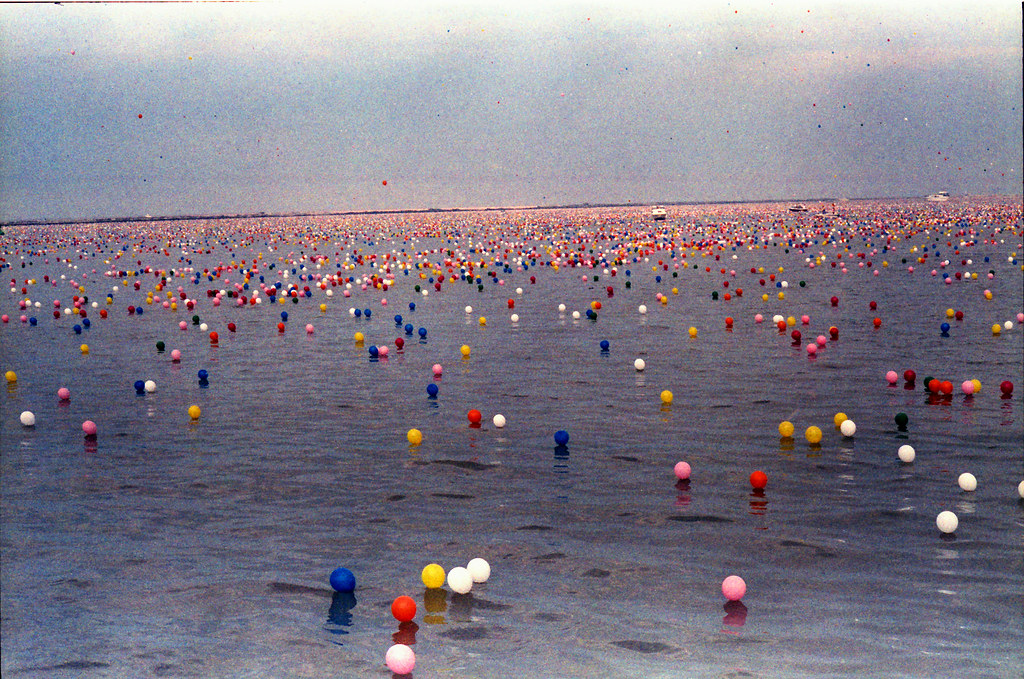 a celebration staple that people have used to lighten up a gathering for centuries. For most of history, balloons were made from animal bladders, stomachs, or intestines, but the balloons we know today are made of rubber, latex, metalized plastic, and nylon fabric. These materials are great because of how well they keep air in and their durability. Unfortunately, that’s also what makes them environmentally problematic.
In 1986, Cleveland set the record for most balloons released at one time, releasing 1.5 million latex balloons into the sky. Instead of just floating up and away (which still would have been a nightmare to clean-up) the balloons stayed near the ground because of an approaching storm. Balloons were everywhere, clogging storm drains, stuck in trees, piled on streets and runways. Some balloons even made their way across Lake Erie to Canada. The amount of work spent on cleanup was much more than anticipated, with many balloons never getting collected at all. And because of the durability of nylon, any balloon that was left where it landed would deflate but never go away.
Balloon litter is probably more common than one would think. How many times have you been at a party or celebration and seen a balloon get away from someone and float away? Maybe you participated in something where balloons were released. Did anyone actually go after the balloons afterwards and collect them? Probably not, due to the distance balloons can travel. Balloons have shown up in some of the most remote locations because of this.
Balloons cause a myriad of environmental issues beyond just increasing the amount of waste produced each year. Wildlife have been known to ingest pieces of balloons or get snagged in balloon strings. Some balloons slowly release toxins into the soil or water they’re adjacent to which can cause harm to the surrounding ecosystem.
If we’re going to continue using balloons, we need to be more responsible. You can do this by picking up balloons after they’re released or choosing reusable foil balloons over rubber or nylon balloons. Overall, we need to reduce the number of balloons we use.
by Amy Keigher, Natural Resources Agent 2025