Why Plant Garlic and Shallots in Autumn?
With the arrival of September, gardeners begin planting garlic and shallots, establishing crops now for harvest in the following growing season. Like spring flower bulbs, gardeners know garlic and shallots need winter’s cold to develop properly for a successful harvest. When planted in early to mid-autumn, and with favorable temperatures, gardeners can expect their garlic and shallot crops to grow and mature into a healthy, abundant harvest in 2026. But how exactly should they go about this?
Trough Planting: A Time-Saving Method 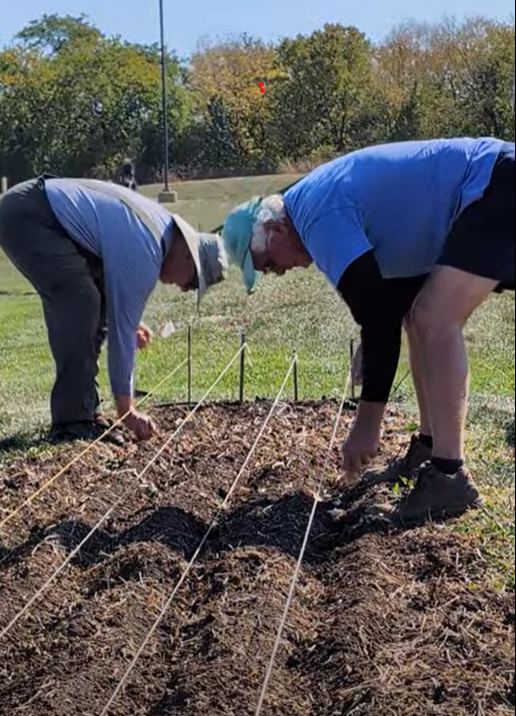
The first tried-and-true method of any bulb planting is known as “trough planting.” Rather than individually digging a hole to plant each clove of garlic or shallot, a single, evenly deep trench is dug along a planting row. Generally, cloves are planted at a depth three times their width, with the morsels then spaced evenly, about 3 inches apart. After placing the bulbs in the trench, gardeners can cover them in a single motion, avoiding the need to bury each clove separately and conserving both time and energy.
Soil and Watering Needs for Garlic and Shallots
For optimal bulb development, soil should be kept consistently moist but not waterlogged—conditions that, along with winter’s cold, make this season ideal for planting. Over the winter months, maintaining adequate soil moisture also helps ensure the bulbs undergo their “vernalization period,” where cool temperatures instigate the hormonal changes that trigger growth later on. Gardeners need to remember that bulb rot is also possible. Rather than consistently having cloves sitting in wet soil, they should aim for soft, aerated, and spongy ground, providing enough moisture without instigating rot.
Mulching for Moisture and Weed Control
Mulching your cloves with straw will also be essential for retaining moisture. Garlic and shallots do not compete well against weeds at a young age and will need help avoiding competition from other plants while they establish. Additionally, the mulch will help maintain the soil moisture for longer than otherwise, moderate soil temperatures, and protect the plants from hungry winter wildlife.
Choosing Certified Disease-Free Seed Stock 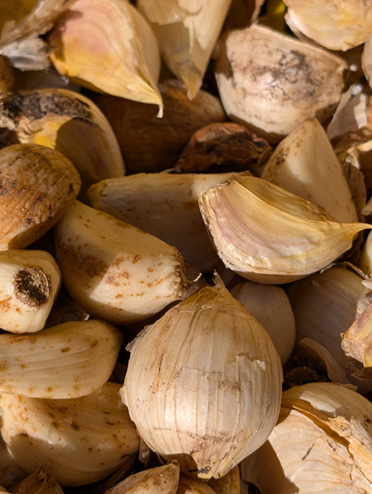
Gardeners should source “certified disease-free” plants when purchasing the cloves themselves. While growing garlic and shallots from grocery produce is possible, these bulbs are not vetted like those sold at a specialized garden center for potential garden contaminants. As such, several serious fungal diseases and nematodes could infect your garden when not utilizing disease-free seed stock. Using healthy planting stock will spare much heartache later, ensuring the crops harvested are ultimately viable.
Best Planting Time in Kansas
Though planting can begin soon, garlic and shallots are ideally planted 4-6 weeks before a freeze, in October's cool, moist weeks. Like all vegetables, a full-sun location is best for establishment.
Caring for Garlic and Shallots in Spring
In spring, green shoots will emerge and elongate, and this is the time gardeners should begin side-dressing the plants with nitrogen every couple of weeks to enhance their bulb development further. When the tops start to yellow and flop in early summer (shallots) or 2/3rds dried (garlic), they’ll again be ready for an abundant harvest.
Watch a short video demonstrating how to plant garlic and shallots for a successful fall harvest. https://youtu.be/Q5p1YwEMBQw?feature=shared
By Anthony Reardon, Horticulture Small Farms Agent, 2025