Winter Interest Plants to Brighten Your Landscape
When winter arrives in the area, snow and ice will cover everything outside. During this time, it is beneficial to have winter interest plants that still provide beauty in the landscape. Whether it provides interesting color, attracts wildlife, or adds dimension to the landscape, there is something for everyone to enjoy.
Evergreens for Winter Color and Texture
Evergreens are the most obvious plants that offer winter landscape interest. They stay green all year round, offering different and interesting textures than our herbaceous perennials. The cones produced by conifer trees and shrubs can also add interest when everything else is looking dreary. When snow falls on these plants, their leaves and branches start to resemble clouds in the landscape.
Berry-Producing Plants that Stand Out in Winter
Plants can also have colorful fruit that is attractive in the wintertime. Hollies, honeysuckle vine, 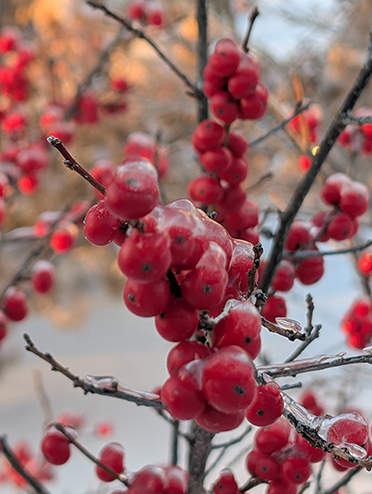 and crabapples produce bright red fruits that persist into the winter season. Some berry-producing plants don’t keep their bright color, so it is essential to become familiar with the variety you want. Specific cultivars retain their berries for a longer period, whereas birds more readily eat others.
Seed Heads and Spent Flowers for Structure
Leaving seed heads in your garden is also a great way to add winter interest to your garden. Just like the evergreens mentioned above, the seed heads of echinacea and sunflowers will catch the snow, resembling floating cotton balls. This effect is particularly noticeable when there are varying heights of seed heads. Not just seed heads, though, but also spent flowers, such as hydrangeas and abelias, can add dimension and shape to your winter wonderland. They hold on to their bracts, the petal-like parts of the flower, throughout the winter.
Winter Wildlife Activity in the Garden
Seed heads not only catch snow, but they also bring wildlife to your garden when there isn’t much life visible elsewhere. For example, flocks of finches, sparrows, dark-eyed juncos, tufted titmice, and black caped chickadees will visit these seed heads in search of food. House finches and golden finches have colorful plumage. The presence of birds is a wonderful reminder that life still exists in the bitter cold.
Ornamental Grasses for Movement and Cover
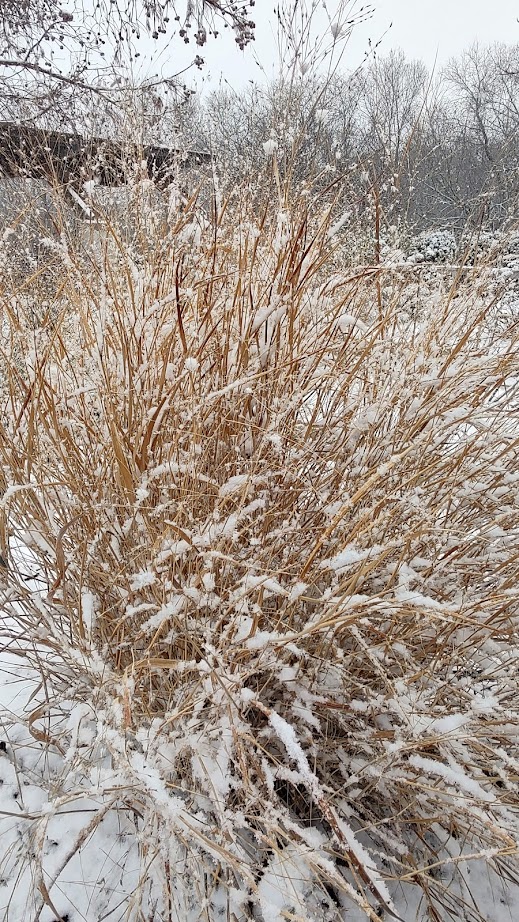 Ornamental grasses also get a second chance to shine in the winter-if they aren’t cut back too early. Kansas winds create beautiful motion in the landscape, and upright grasses swaying in the breeze add interest that cut-back plants simply cannot. Their seed heads also persist in winter, contributing to a soft, feathery texture. Additionally, grasses provide crucial cover for overwintering birds.
Colorful Twigs for a Vibrant Winter Landscape
The twigs on our trees and shrubs also offer some much-needed color in winter. Willows and dogwood can have colorful new growth on their branches. Yellow and reds can cut through the otherwise tans and browns of the surrounding landscape. Since the color is only present on young twigs, regular pruning in late winter/early spring is necessary to produce new yellow and red shoots for the winter.
Adding winter interest plants to your landscape can make the shorter days a little brighter. Sometimes all you need to do is pick the right plant to get an effect that will bring you joy in the dull winter.
by Markis Hill, Horticulture Turf and Ornamentals Agent, 2025