Is Dormant Lawn Seeding the Answer for Struggling Lawns?
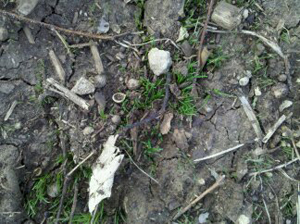
This season offered a unique set of challenges for our lawns. The cool spring weather, with abundant moisture, provided ideal conditions for turf diseases to infect and spread throughout our cool-season lawns. Then, when temperatures started to warm up, that didn’t stop the abundance of moisture. Hot and moist conditions are ripe conditions for a whole different host of diseases. The symptoms of these diseases are often visible late in the season, especially with the hot, dry weather we experienced this fall. All that to say, if your lawn is looking like it is struggling, you are not alone.
Even if you followed all the recommendations for fall lawn treatments, such as core aeration, overseeding, fertilization, and leaf removal, you might still see dead patches and bare spots. What should your next steps be if you do not have the desired lawn? The answer: dormant seeding.
Pros and Cons of Dormant Seeding
Questions about dormant seeding have been coming into the hotline lately. What is it? When to do it? Does it work? Dormant seeding is seeding your cool-season lawn during winter when the grass is dormant, and temperatures are too cold for seed germination. The seeds will remain there until the temperatures and the moisture levels are in the optimum range to start growing. If you are very busy toward the end of the season when you are supposed to be seeding your yard, then using this method can be beneficial for taking care of seeding during the time of year when yard work is sparse. If there is a lot of rain at the beginning of spring, dormant seeding can fill out more than trying to be overseeded in the spring months.
The drawbacks of using dormant seeding are that the seeds are subject to the elements and wildlife during the winter. Not all birds migrate south for the winter, and the ones that stay behind are well adapted to eat seeds of various plants. An area covered in grass seed could be a flock's enticing next buffet. The extreme cold can also damage grass seed. Record-setting cold temperatures are possible every winter, and sometimes aren’t predicted when seeding your yard. Cold damage will affect the germination rate of your grass seed and the overall success of your efforts.
Best Timing for Dormant Seeding Success
How do you ensure that your hard work isn’t wasted? Timing does make a difference. Dormant seeding can be initiated when temperatures are consistently below 40 °F; however, research indicates that dormant seeding in February yields the best germination and coverage. Seeds are exposed to the elements and predators for a shorter amount of time while also having enough time to grow and mature before the heat of summer arrives.
Another way to ensure success is to ensure the seed comes into direct contact with the soil. If seeds germinate, they need water and nutrients from the soil. The roots can dry out before establishing themselves if they do not meet moist soil. Your lawn might have a thatch layer that prevents soil-seed contact and would require a leaf rake to break through a thick thatch layer.
Hope for Healthier Lawns Next Season
There is still hope for your lawn. Although this season presented significant challenges for cool-season turf, recovery is achievable through proper dormant seeding practices. With appropriate timing and management, dormant seeding can restore thin or damaged lawns and promote a healthier, more resilient turf in the coming growing season.
For additional information on cool-season lawn management, seeding recommendations, and turf disease prevention, visit the Johnson County K-State University Extension Lawn and Garden resources.
K-State University Extension publications are also available.
by Markis Hill, Horticulture Turf and Ornamentals Agent, 2025
Have questions? The Garden Hotline is staffed by trained EMG volunteers and Extension staff who will assist you with questions.
Phone: (913) 715-7050
Email: garden.help@jocogov.org