Bug Zappers
Scam Alert: Bug Zappers are Actually Murder Machines for Beneficial Insects
I don’t know about you, but I enjoy my summer nights in the Midwest. It might not be that cool outside, although the relief from the heat of a summer day is welcoming. I like to sit outside and listen to the frogs croaking, the light breeze flowing through the trees, and the occasional critter that scampers past our house. It can be a great way to reconnect with the environment around you. What I don’t like to hear is the gimmicky devices that get left on all night to keep the “pests” away. Bug zappers do not keep pests like mosquitoes and biting flies away. That is a fake claim.
Bug zappers are marketed to reduce the mosquito population, making outdoor spaces more usable during nighttime. If the bugs are attracted to the zapper's light, they won’t bother you, who is a safe distance away. This couldn't be further from the truth. The vast majority of those “zaps” are not mosquitoes. Those insects that become victims of the surge of electricity are most likely beneficial. 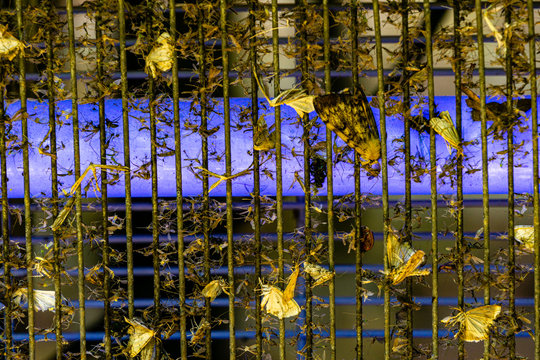
Moths are frequently attracted to these traps. They use the moon as their light source when navigating at night. This is why, with the constant light pollution at night, you will find many of them swarming around streetlights and windows with open blinds or curtains. The attracting light from bug zappers also causes them to swarm around the device until they inevitably get too close and become charred remains.
If you have one of these devices, I challenge you to go outside at night without mosquito protection. No long sleeves, long pants, and no bug spray. Yes, it sounds hot, but you will find that even though that bug zapper is constantly zapping, you will still get mosquito bites. Did you think that long, large zap was just a big, juicy mosquito? Nope, just a beetle that would’ve never bothered you and you wouldn’t even know existed until you saw it dead under your zapper. The near nonstop sizzle from the device gives you a false sense of security. This is why companies can market so effectively. The bug zapper is functioning, but it is not giving you the desired result of significantly fewer biting insects.
Each insect caught in these traps that isn’t a mosquito could indirectly impact you and your surroundings. Insects play an essential role in the food chain. Pollinators such as moths, flies, and some wasp species fall victim to these traps because they are most active at night, when these bug zappers are turned on. Beetles are essential decomposers in our hickory and oak boreal forests. Many beetle and wasp species are predators of common garden pests, leading to higher vegetable yields without chemicals. All these insects are essential to the environment, serving an ecological niche that has the potential to impact your day-to-day life significantly. For instance, without these beneficial insects, we would see a decline in crop yields and an increase in pest populations.
So, how can you keep those darn mosquitoes off you? Chemical repellents are still widely used and 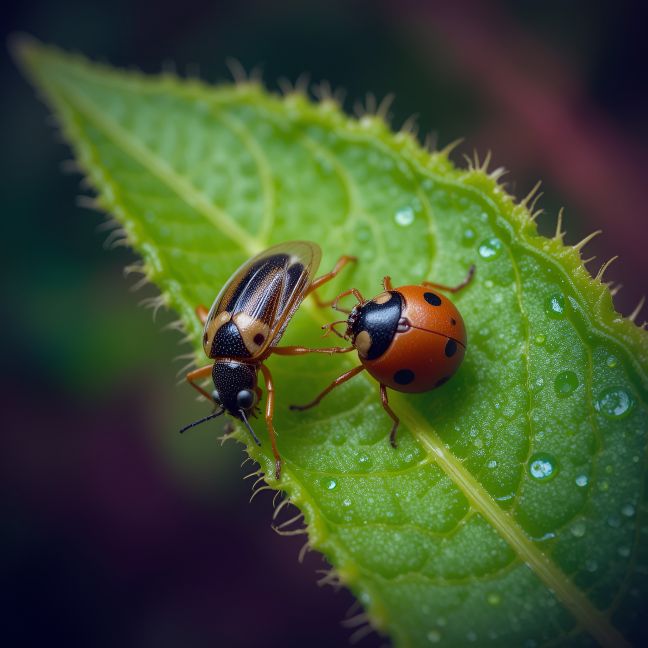 very effective. They interfere with the female mosquitoes that bite you in their ability to find the environmental cues to locate a host to feed on.
Armed with this knowledge, you can make a difference. Whether it's your neighbor, mom, cousin, or son, politely inform them about the deceptive nature of bug zappers. Share the research from 30 years ago that concludes these devices do not significantly reduce mosquito or biting insect populations. By spreading awareness, we can all make more informed choices about pest control.
by Markis Hill, Horticulture Ornamentals and Turf Agent, 2025