Houseplant Care in Winter
Did you buy or receive a special exotic plant this year? Is it a tender plant? When I say tender, I mean a plant that couldn’t survive cold temperatures or growing conditions. These plants are typically found in tropical regions and make excellent potted plants. However, with the threat of freezing temperatures on the horizon, it is time to take them inside for the winter. Bringing plants indoors will change how you care for these plants, and you might find that you lack something that will save you a few headaches.
Inspect Outdoor Plants for Pests Before Bringing Them Inside
The first thing you must be aware of when bringing plants into your home is that they were outside. That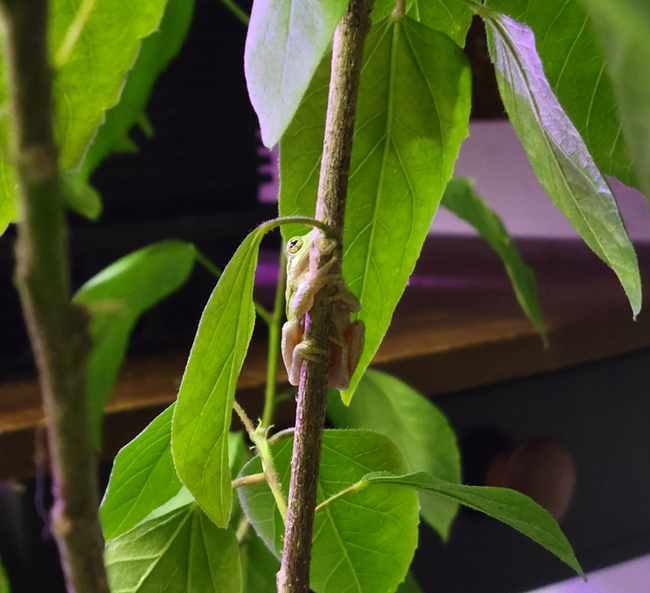 means a variety of bugs, lizards, mice, spiders, or birds had access to this plant. Before you step inside, carefully examine the entire plant and pot. Insects that can become serious indoor pests could be hiding and waiting for their chance to start feeding on your plant.
Unfortunately, some bugs will lay eggs in the potting soil and hatch inside your home. So how should you handle that? It would be in your best interest to have a quarantine area where your plants from outside can be for a couple of weeks. Be sure to inspect them closely during this time. Without the intervention of outside predators, insect populations can balloon in a very short amount of time. That is why you wouldn’t want your plants from outside to be right next to your plants that are permanently inside; pest populations can jump host and infect other surrounding plants.
Adjust Your Watering Habits for Indoor Plants
Now let’s talk about watering. If you are new to houseplant care, you will be tempted to pick up a watering can for any reason. I am here to say, “Don’t!” Overwatering is one of the most common ways houseplants die. If we take a moment to think about why plants need water in the first place, it is because they use it during photosynthesis. For photosynthesis to occur, light is required. The amount and intensity of light provided indoors is significantly less than that available outdoors. Additionally, the day is shorter, and there may only be 8-9 hours of sunlight outside. All this means the plants use less water and must be watered less frequently.
Understand Light Changes and Etiolation in Indoor Plants
With the reduction of light, you may notice changes in how your plants grow. New stems may become longer between leaves (increased internode length), and the new leaves may appear thinner and paler. This is called etiolation—a plant’s natural response to low light, as it stretches toward the light source. Tropical plants often show subtle stretching, but in succulents and cacti it’s much more obvious. Unfortunately, once a plant has grown thin, pale stems, it’s hard to reverse, and moving it abruptly back into bright light can cause further stress or even death. To prevent this, consider adding a grow light to keep your plants from stretching.
Prepare for Long-Term Success with Indoor Plants
If you plan on having some of these plants for years to come, bringing in plants for the winter is a task you should familiarize yourself with. Designate a specific area to store them. Supplemental lighting, heat, and fans can be used to help these plants continue growing when indoors. Get used to watering less frequently during the wintertime. If you regularly check the health of your plants, they should make it through the winter and the foreseeable future.
Additional tips can be found in these helpful videos.
by Markis Hill, Ornamentals and Turf Agent, 2025