Becoming a Better Steward of the Land: Protecting Water Quality Starts at Home
Over the past couple of years, advocacy groups have encouraged people to be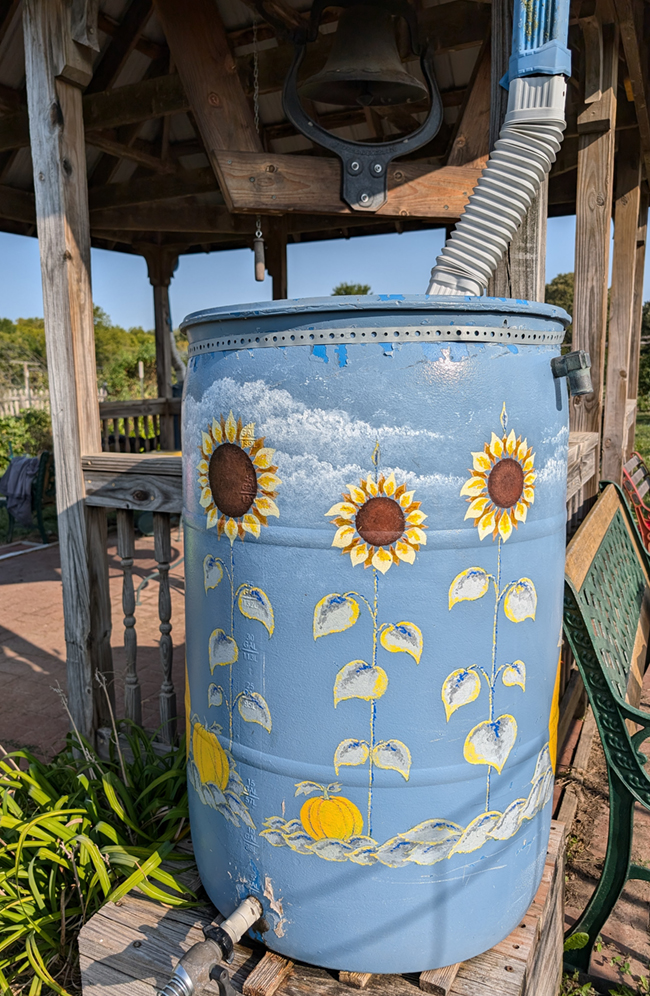 more mindful of how they treat the Earth we live on—especially when it comes to home gardening. Gardeners can plant native species, install rain gardens, and use more effective soil amendments to make a difference. However, despite all the positive messaging available, the impact of these behavioral changes is still falling short of the goals we’d like to see. So, what are some things you can do to be a better steward of the land?
Johnson County K-State Extension partners closely with the Johnson County Government, primarily through the Stormwater Management Department’s Contain the Rain Program. This program provides funding for up to 1,000 soil tests for residents of Johnson County. These soil test results help inform the residents of the plant-available nutrients in their lawns, flower beds, and vegetable gardens. Oftentimes, the results show that nutrient levels are too high, and adding more to the system can lead to declining plant performance. Before signing up for five fertilizer applications a year, get a free soil test.
Not only does the County Government want more focused fertilizer applications, but they would also like to see more efficient use of our water. Many municipalities throughout the county have cost-share programs to help maintain the best possible water quality. Although northeast Kansas gets plenty of rainfall—second only to the southeast—the Kansas City Metro has transformed much of the area with housing, businesses, warehouses, roads, and parking lots. These are impermeable surfaces, which means water doesn’t infiltrate the soil. Instead, it runs off and carries all the pollution down the gutter with it. Depending on where you live, that water gets treated and reused as municipal water.
So, how can homeowners help? You may not have a parking lot outside your front door, but your gutters can play a significant role in water conservation. Rain barrels allow for the storage of rainwater for use on drier days, and they are available as part of the cost-share program. This option works well if your flower beds or decorative pots require frequent watering. There are some end-of-the-year maintenance steps associated with rain barrels to preserve the longevity of your rain catchment system.
Another option in the cost-share program is installing a rain garden. The purpose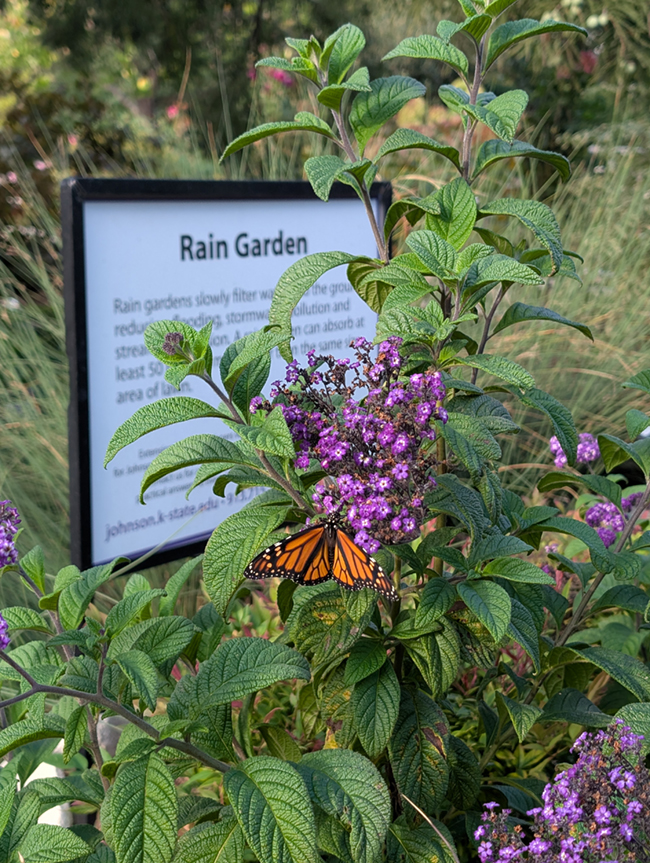 of a rain garden is to have a designated area where the rain can collect and slowly infiltrate the ground. It helps protect water quality by filtering pollutants from fertilizers, salts, and cars before they reach streams and creeks, while also reducing foot traffic in areas that tend to get muddy. Having a rain garden is also an opportunity to incorporate some of our essential native plants, which offer significant value to local wildlife.
There are many other ways to become a better steward of the land and a better neighbor to those living downstream from your house. The Healthy Yards Expo returns on April 11 at the Shawnee Civic Centre. This free family-friendly event will feature information from our local municipalities on cost-share programs available to residents of Johnson County and Wyandotte County. Educational speakers will provide tips and information on how to care for your yard, trees, garden, or flowers. There will also be several vendors in attendance that can inform you of different options available to protect our water quality.
by Markis Hill, Horticulture Turf and Ornamentals Agent, 2025