Fidgets, Tool or Toy? Understanding the
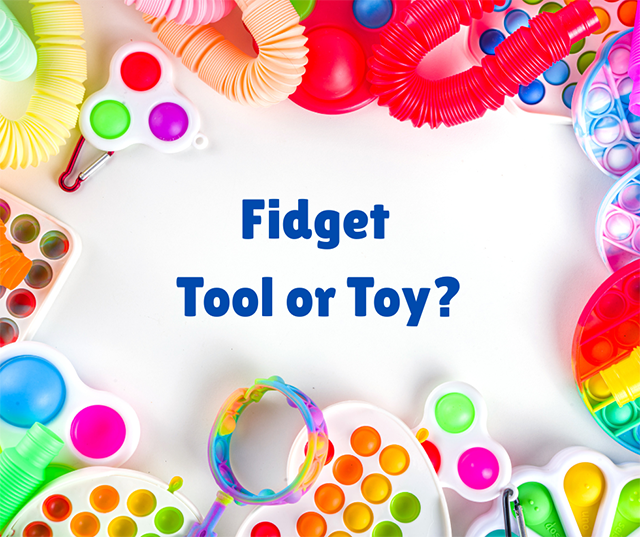
Difference
When does a fidget spinner become a distraction instead of a focus tool? Learn the difference between fidget tools and toys, exploring how the right approach can build a student’s ability to pay attention.
We all have our fidgeting habits – leg bouncing, knuckle cracking, hair twirling, or rubber band stretching. These seemingly mindless movements actually serve a crucial purpose: they help us sharpen our focus and control our emotions. For children with special needs, sensory processing differences, ADD, or ADHD, fidgeting can be particularly beneficial in supporting attention and learning.
The Science Behind Executive Function and Attention
Executive function encompasses a set of mental skills that include planning, self-control, following multi-step directions, and staying focused despite distractions. These skills help our brain prioritize tasks, filter out distractions, and control impulses. While no one is born with fully developed executive function skills, nearly everyone can learn and strengthen them through experience and practice, with adults providing the framework for children to develop these abilities over time.
Attention, an executive function skill, is the ability to sustain focus on challenging or uninteresting tasks. Many people struggle with regulating their attention, finding it difficult to pay attention when needed, for as long as needed, or on what they need to focus on. When students face boring, repetitive, or uninteresting tasks, they often lose focus without intrinsic rewards or motivation.
Physical movement can stimulate brain networks that control attention. Focus tools such as fidgets, movement, music, doodling, and chewing can all be helpful in this process.
Understanding Different Types of Fidget Tools
The market offers numerous options: thinking putty, stress balls, tactile fidget balls, kneadable erasers, fidgeting finger springs, textured pencil grips, pencil topper fidgets, chewies, fidgeting foot bands, foot fidget rollers, textured sensory rulers, chewy dog tags, and chewable tube necklaces.
Fidget tools aren't one-size-fits-all solutions. Different designs serve distinct purposes:
- Kinetic Fidgeting tools like spinners, rings, and rollers excel at keeping restless hands occupied while allowing the brain to focus on primary tasks.
- Tactile and Click-Based Fidgeting options such as cubes, switches, and buttons provide structured sensory input that helps manage nervous energy effectively.
- Sensory Fidgeting tools including pop-its, squishy toys, and textured balls offer calming experiences through touch-based stimulation, making them ideal for stress relief.
The Critical Distinction: Tool vs. Toy
The difference between a fidget tool and a toy lies entirely in usage patterns:
- Focus Management: Proper fidget use keeps the tool as a secondary focus, operating in the background of attention. When the fidget becomes the primary focus instead of supporting the learning task, it has transformed into a toy.
- Eye Direction: Effective fidget use maintains visual attention on the learning source – whether a teacher or task. When eyes shift to the fidget instead of the learning material, the tool has lost its purpose.
- Usage Pattern: Appropriate fidgeting is mindless and automatic, becoming part of an unconscious system. Active investigation, building, or creating with the fidget indicates it has become a toy.
Implementing Fidget Tools Successfully
Establishing clear guidelines ensures fidget tools remain effective: use them only during listening activities to improve focus, keep them in hands rather than tossing or throwing them, ensure they don't distract others, and store them appropriately when not in use.
When implemented correctly, fidget tools can significantly enhance attention and learning outcomes, transforming restless energy into focused engagement.
by Joy Miller, Family and Community Wellness Agent, August 2025