Now is the Time to Enjoy Fall's Nutritious Cruciferous Veggies
As the weather begins to cool and the leaves begin to change, our fall produce has a turn in the spotlight. Cruciferous vegetables – which include broccoli, cauliflower, brussels sprouts, cabbage, and kale – are at their peak in the fall, which means we will get the most bang for our buck with flavor and nutrition. These vegetables are often hearty, affordable, and versatile in the kitchen, making them an excellent addition to fall meals.
Nutrition
Cruciferous vegetables are packed with vitamins, minerals, fiber, and antioxidants that support overall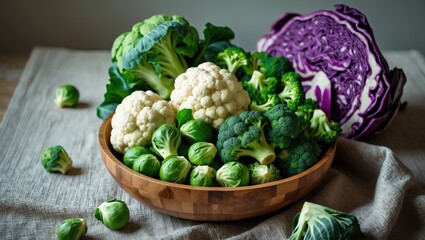 health. These vegetables are naturally low in calories; however, preparation methods matter in keeping the calories low. Vitamin C, found in broccoli and Brussels sprouts, helps strengthen the immune system just in time for those colder-weather illnesses that will soon be popping up. Vitamin K, found in kale and cabbage, supports bone health and proper blood clotting. Many cruciferous vegetables also provide folate, an important nutrient for cell growth and repair, and a critical nutrient for women of reproductive age.
Cruciferous vegetables are rich in phytochemicals, particularly glucosinolates. These compounds may help protect against certain types of cancer. The dietary fiber found in cruciferous vegetables also promotes good gut health, helps regulate blood sugar, and supports heart health by reducing cholesterol levels.
Prepare Cruciferous Vegetables Like a Pro
Beyond nutrition, cruciferous vegetables offer a wide range of flavors—from the peppery bite of raw kale to the mild sweetness of roasted cauliflower. Brussels sprouts have gained popularity with improved cooking techniques (and additions like balsamic glaze and bacon) that enhance their nutty, caramelized flavor. The versatility of these vegetables makes it easy to include them in everyday meals.
Cooking methods can make a big difference in both flavor and nutrient retention. Here are some ideas to get the most from your fall cruciferous vegetables:
- Roasting: Toss broccoli, cauliflower, or Brussels sprouts with olive oil, garlic, and herbs, then roast at 400°F until browned and tender. Roasting enhances natural sweetness through caramelization of natural sugars and reduces bitterness. Try using an air fryer instead of your oven!
- Sautéing: Quickly cook kale or cabbage with olive oil, onion, and a splash of lemon juice for a fast side dish.
- Steaming: Light steaming helps preserve vitamin C and other water-soluble vitamins while softening the texture. Serve with a drizzle of olive oil or a sprinkle of Parmesan cheese.
- Soups and Stews: Add chopped cabbage or broccoli to hearty soups for extra fiber and bulk. Cauliflower can also be blended into creamy, dairy-free soups. Try our Golden Cream Soup to use up some of those cruciferous vegetables! https://www.johnson.k-state.edu/programs/health-food-safety/recipes/golden-cream-soup/
- Fermenting: Homemade sauerkraut or kimchi is a delicious way to enjoy cruciferous vegetables while supporting gut health with probiotics.
Do you or someone you know despise cruciferous vegetables because of the taste? Well, it may be because of being a supertaster! A supertaster is someone who tastes certain flavors or foods more strongly compared to others. Supertasters have more taste buds and receptors than the average person and are particularly sensitive to bitter flavors such as those found in cruciferous vegetables, coffee, and chocolate, just to name a few. To help mask the bitter flavor of cruciferous foods, try roasting and caramelizing them or add a pinch of salt, fat, or sugar to help mask the bitterness while still getting all the benefits of your nutritious cruciferous vegetables!
by Chelsea King, Nutrition, Health and Food Safety Agent, 2025