Heart Health and CPR
February is National Heart Health Month – a time to focus on keeping our hearts healthy through lifestyle 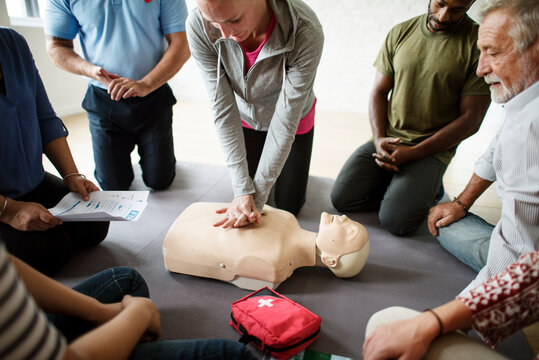 behaviors, preventive care, and education. While eating well, staying active, and managing stress are all important for heart health, there is another powerful way to protect heart health in our communities: learning CPR.
Cardiopulmonary resuscitation (CPR) can save lives. Period. For adults and teens, hands-only CPR can double or even triple someone’s chance of survival during a cardiac arrest. However, for infants and children, they need traditional CPR with breaths. More than 23,000 children experience cardiac arrest outside of the hospital each year. In fact, 40% are related to sports, and nearly 20% are infants.
CPR is a critical early intervention for someone experiencing cardiac arrest. It helps keep blood and oxygen flowing to the brain and vital organs. Every minute counts for survival. Cardiac arrest can happen suddenly at home, at work, or in public spaces. Each year, more than 350,000 cardiac arrests occur outside of the hospital in the United States (70% happen at home!), and 90% of these are fatal. When bystanders know how to respond quickly, they can make a critical difference before emergency medical services arrive. Despite the importance of early bystander intervention, only 41% of people who experience cardiac arrest receive CPR from bystanders while waiting for emergency responders to arrive.
National Heart Health Month reminds us that heart health goes beyond individual habits—it’s about protecting the health of our community and looking out for one another. Yes, of course, we absolutely want to reduce our personal cardiovascular risk by limiting alcohol consumption, not smoking, exercising regularly, eating a healthy diet, reducing stress, and getting enough sleep, among other measures. But becoming CPR certified is a simple yet impactful way to strengthen community health and resilience. When more people are CPR certified, communities are better equipped to respond to emergencies and positively impact the health of their residents. It’s an investment not just in personal skills, but in your community.
This February, let’s commit as a community to not only make positive behavior changes for our own personal cardiovascular health, but let’s join the movement to become CPR certified.
You can find CPR classes in Johnson County being offered by various entities, including Johnson County MED-ACT, American Red Cross, local fire departments, and other private companies.
To learn more about ways to keep your heart healthy, visit www.heart.org.
by Chelsea King, MPH, RDN, Nutrition, Food Safety and Health Agent, February 2026