Diet and Inflammation
Since 2015, August has been internationally recognized as Autoinflammatory Awareness Month. Although many of us may not have an autoinflammatory disease, we all experience inflammation in our bodies. In this article, we will talk about the two types of inflammation and discuss how diet can help reduce inflammation and chronic diseases.
Inflammation is the body's natural immune response to injury, infection, or other harmful stimuli. It is  an essential defense mechanism that protects and promotes healing. There are two main types of inflammation, acute and chronic. Acute inflammation is the most common and is the body’s response mechanism to help the body return to its normal state. Examples of this are a sprained ankle or sunburn. Chronic inflammation can begin similarly to acute inflammation, but can become a persistent state. Examples of this are Inflammatory Bowel Disease or cardiovascular disease. Not all inflammation is bad, however. Acute inflammation is typically more beneficial because it is short-term and helps with healing. Chronic inflammation is often less beneficial because it can damage tissues and contribute to other diseases.
Many factors can contribute to chronic inflammation, including diet, physical activity, smoking, stress, genetics, and more. These inflammatory factors can lead to diseases associated with chronic inflammation, such as Type 2 diabetes, fatty liver disease, heart disease, and even anxiety and depression. According to the National Center for Chronic Disease and Prevention and Health Promotion, 6 in 10 adults in the US have a chronic disease, and 4 in 10 adults in the US have two or more chronic diseases.
What you eat can contribute to chronic diseases. The Standard American Diet, also known as the Western Diet, consists of many processed and pro-inflammatory foods. Pro-inflammatory foods can contribute to chronic inflammation, which is associated with the development of chronic diseases. Limiting these pro-inflammatory foods such as fried foods, ultra-processed foods, foods high in added sugars and saturated and trans fats can also help with less chronic inflammation, which can lead to a lower risk of chronic disease.
There are also anti-inflammatory foods, which can help reduce chronic inflammation. A diet rich in fruits 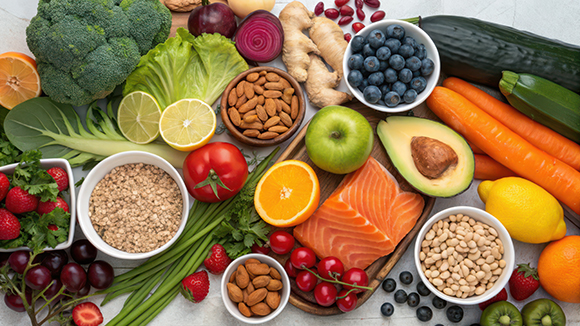 and vegetables, whole grains, fatty fish and lean proteins, legumes, nuts and seeds, and healthy oils like olive oil is the dietary pattern to aim for to help in reducing inflammation. Many of these foods are known as anti-inflammatory foods. So, what makes them anti-inflammatory foods? They contain protective components, such as fiber, phytonutrients, omega-3 fatty acids, and vitamins and minerals. These components help to support a healthy gut microbiome (fiber), protect cells from oxidative damage and reduce signals that trigger inflammation (phytonutrients), aid in producing compounds that help resolve inflammation and support heart health (omega-3 fatty acids), and help the immune system work properly and protect cells from damage linked to inflammation (vitamins and minerals).
In your diet, it is important to note that no single meal or food will cause or prevent inflammation. Although certain foods may be pro-inflammatory or anti-inflammatory, your overall dietary pattern is what matters most. Focus on what to add to your plate rather than what to eliminate: include a variety of colorful fruits and vegetables, fatty fish and lean proteins, legumes, and healthy fats.
by Amanda Smith and Nick Stone, Kansas State University dietetic interns summer 2026
Reviewed by Chelsea King, MPH, RDN, Nutrition, Food Safety and Health Agent, 2026