Five Key Moments to Recognize and Celebrate Volunteers
When is the best time to recognize volunteers for their work? Recognition is one of the key engagement components when working with volunteers. Volunteers want to be seen, and timing is important for impact and relevance. The best time to give recognition is as soon as possible after an act of service. Types of recognition could include a handwritten note, a letter, a trinket, or lunch – just as long as it feels genuine. Consider offering recognition at the following points along a person’s journey as a volunteer.
After their first shift
It can be nerve-wracking to arrive somewhere new and not know what to expect. After a volunteer serves their first workday in a role, leaders can provide some positive feedback with a quick digital or handwritten note, highlighting how the volunteer helped that day and how it made an impact. This ensures the person will feel seen and appreciated for sharing their time and skills, making them more likely to return. The organization or leader also begins to set the tone for the volunteer culture, emphasizing that everyone has something to contribute.
After a special event
Volunteers are essential to making a large event successful, but sometimes the volunteer has a hard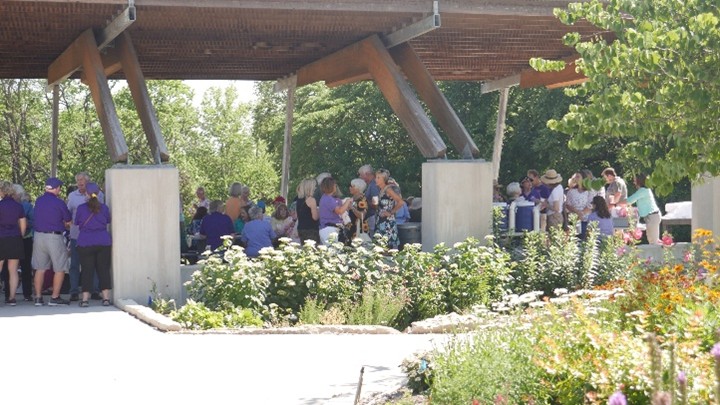 time seeing how their specific role helps the cause. Try sending a note to let them know how their work made a difference and how it connects back to the mission. This helps volunteers feel like their work that day, even if it was a simple task, was necessary to make the day a success. Include some statistics about the day, such as how many visitors attended or how many flyers were distributed, so they can see how the role they played fit into the overall success of the event.
At a milestone
By tracking simple data on the volunteers, an organization or leader can use this information for recognition. Using a start date can acknowledge length of service, such as after serving 30 shifts or reaching a one-year milestone. A quick note to thank them at this milestone will mean a lot, as it shows they were remembered. Include in the note a simple impact statement of what that time is equivalent to. For example, it could say, “Thank you for helping in the community garden for 30 shifts – that equals XX # of pounds of food grown and XX # of servings of food into the community.”
Informally
An informal “Thank you for your help today!” at the end of a shift goes a long way. Notice they are leaving, ask them how it went, and acknowledge their efforts. Don’t underestimate the value of asking for their feedback as a form of recognition. Being seen as a vital part of the smooth workings of the event or of the workday will mean a great deal to the volunteer.
During Volunteer Recognition Week
Annually in the U.S., the third week of April is National Volunteer Recognition Week. This is the time to show your appreciation for the volunteers who support efforts year-round. Include both “regular” and one-time volunteers. By including everyone who has contributed, an organization might recruit one-time event volunteers to return again. Every contribution is meaningful, regardless of how often someone is able to volunteer.
People want to contribute to a purpose larger than themselves, and that intrinsic reward is enough for some volunteers to keep coming back. But don’t underestimate the importance of taking time to say thank you to the volunteers. It is only with their effort that goals are reached, impact in the community made, and the spirit of volunteering stays alive.
by Tracy Hemsath, Volunteer Leadership Development Agent, April 2026